• London is not just a city—it’s a vibrant mosaic of neighborhoods, each with its own soul, stories, and scenery. Whether you’re a first-time visitor or a seasoned explorer, diving into London’s diverse districts offers a deeper appreciation of its history, culture, and character. Here’s a journey through 10 unique areas of London that capture the spirit of the British capital.

    1. Westminster – The Political Heart of London

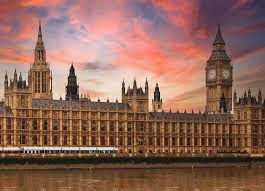
    Westminster is where the pulse of British politics beats. Home to the UK Parliament, the majestic Big Ben, and the iconic Westminster Abbey, this area is steeped in centuries of history. As you walk along the Thames River, the grandeur of the Houses of Parliament and the beauty of St. James’s Park create a striking contrast between nature and architecture. Don’t miss the ceremonial Changing of the Guard at Buckingham Palace, a daily display of British tradition.
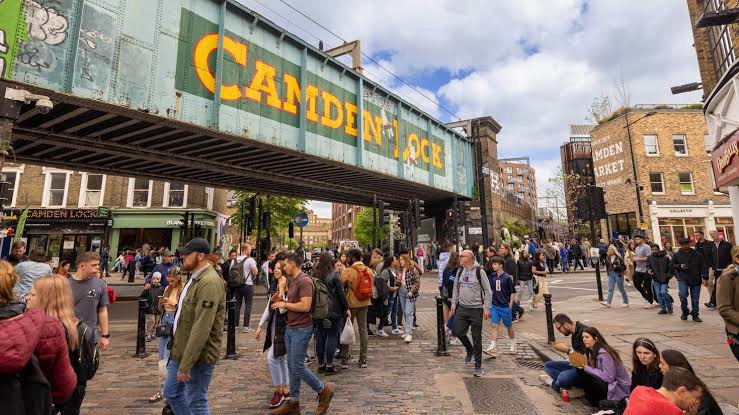
    2. Camden – The Hub of Counterculture

    Camden is where creativity and rebellion thrive. Famous for its edgy street art, eclectic market stalls, and alternative music venues, Camden feels like a different world from the rest of London. The Camden Market is a maze of vintage clothes, international cuisine, and handmade crafts. Visit Amy Winehouse’s statue or take a scenic canal walk to Regent’s Park. Camden isn’t polished—it’s raw, real, and utterly unforgettable.
    3. Notting Hill – Colorful, Chic, and Cinematic

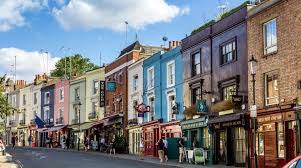
    Notting Hill, made globally famous by the film of the same name, is London’s most photogenic neighborhood. With pastel-colored townhouses, elegant boutiques, and charming cafes, this West London district is a blend of luxury and laid-back style. The Portobello Road Market on weekends is a treasure trove of antiques and street food. In August, the area comes alive with the vibrant Notting Hill Carnival, Europe’s biggest street festival celebrating Caribbean culture.
    4. Shoreditch – London’s Creative Playground

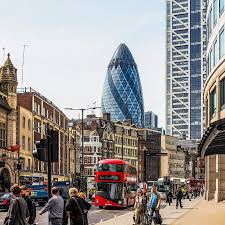
    If you’re into urban art, indie coffee shops, and experimental dining, Shoreditch is the place to be. Once a gritty industrial area, it has reinvented itself as the beating heart of East London’s creative scene. Walk down Brick Lane to experience Bengali culture and London’s best curry houses, or explore vintage stores, pop-up exhibitions, and quirky art galleries. The Old Truman Brewery is a cultural hub filled with innovation and artistic flair.
    5. Greenwich – Maritime Majesty and Royal Views

    Greenwich is where time quite literally begins—home to the Prime Meridian Line and Royal Observatory. Located in southeast London, this riverside district is known for its naval history, scenic parks, and baroque architecture. The Cutty Sark, a historic British tea clipper, sits proudly at the center. Climb the hill in Greenwich Park for panoramic views over the River Thames and Canary Wharf. A boat ride from central London is the best way to arrive.

    6. South Bank – Culture on the Thames

    Stretching along the southern edge of the River Thames, South Bank is London’s cultural corridor. From the London Eye to the Tate Modern, this district offers a mix of modern attractions and artistic expression. The Southbank Centre, National Theatre, and Shakespeare’s Globe provide world-class performances year-round. Street performers, book markets, and riverside cafes make this a lively place to wander any day of the week.

    7. Soho – The Heartbeat of London Nightlife

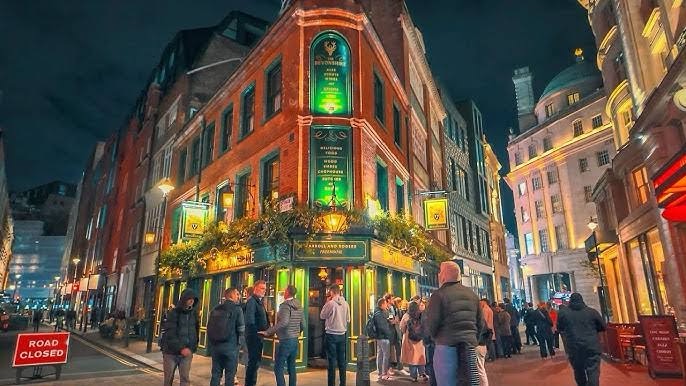
    Soho never sleeps. This compact neighborhood in London’s West End is bursting with energy, diversity, and entertainment. By day, it’s a shopper’s paradise with boutiques and bookstores. By night, it transforms into a lively hub of bars, jazz clubs, and LGBTQ+ venues. Historically, Soho was a haven for artists, radicals, and bohemians, and that creative spirit still thrives. Nearby, Carnaby Street echoes the swinging ’60s and is perfect for stylish strolls

    .
    8. Kensington – Elegance and Education

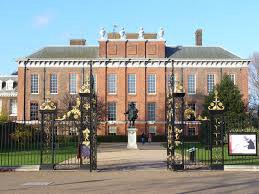
    Kensington blends aristocratic charm with cultural sophistication. Its tree-lined avenues, grand Victorian homes, and royal parks make it one of London’s most upscale districts. Kensington Palace serves as a royal residence, while South Kensington is home to the Natural History Museum, Science Museum, and Victoria and Albert Museum—all of which offer free entry. Take a break with a walk through Hyde Park or lunch in a classy cafe along the High Street.
    9. Covent Garden – The Stage of Street Performance and Shopping

    Covent Garden is where theatrical charm meets stylish shopping. Known for its central piazza, which buzzes with street performers, musicians, and artists, it’s also home to The Royal Opera House and an array of high-end and boutique stores. The Apple Market offers handmade crafts and unique gifts, while nearby Neal’s Yard is a hidden courtyard bursting with color, sustainability-focused shops, and cozy eateries. It’s an Instagram-worthy gem in central London.

    10. Brixton – A Celebration of Diversity and Resilience

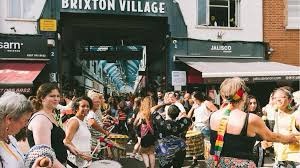
    Brixton is more than a district—it’s a cultural movement. Known for its Afro-Caribbean heritage, music scene, and vibrant markets, Brixton offers a bold, colorful, and unapologetically proud face of South London. Explore Brixton Village for flavors from around the world, or visit the Black Cultural Archives to understand the depth of its history. The area’s resilience is evident in its street art and community spirit, making it a must-visit for those seeking authentic London.
  • Dubai is often described as futuristic, luxurious, and full of life — and it truly is. But to say that Dubai is just one experience would be an understatement. During my travels across this extraordinary city, I discovered that Dubai is a collection of cities within a city, each with its own soul, style, and story. From the dazzling skyscrapers of Downtown to the timeless charm of Al Seef, here’s my personal journey through five unforgettable areas in Dubai.

    1. Downtown Dubai – The Icon of Innovation

    If Dubai has a beating heart, it’s Downtown — a sleek, shining district that hosts the city’s most famous landmarks. It’s where Dubai shows off its grandeur with pride and confidence.

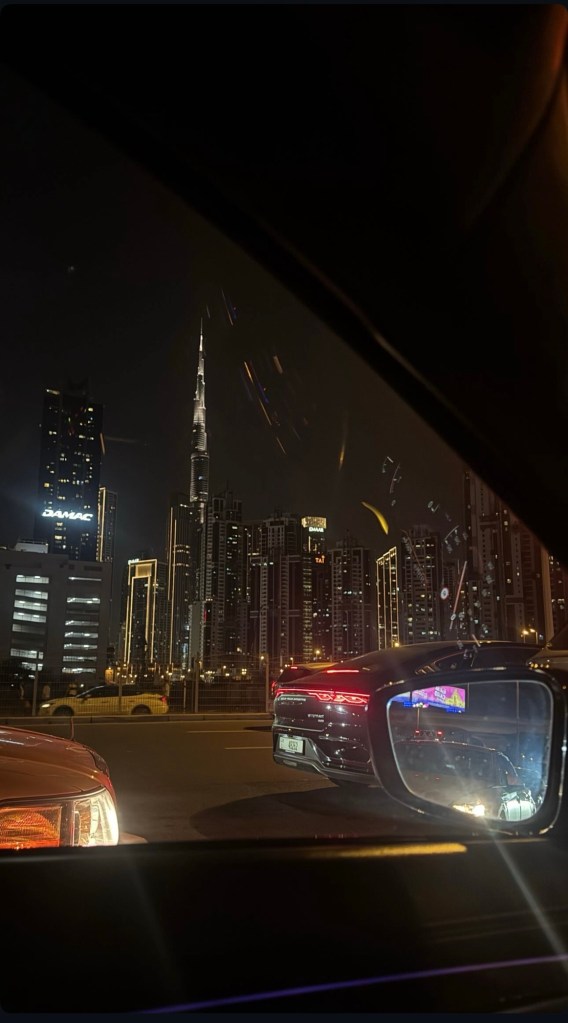
    I began my day at the iconic Burj Khalifa, the tallest building in the world. As I ascended to the 148th floor in less than a minute, I felt both small and inspired. The view from the top was unlike anything I’d ever seen — a futuristic grid of buildings, highways, and the desert beyond.

    Just next door is the Dubai Mall, which is not just a shopping destination, but a world of its own. I lost track of time while browsing designer stores, watching the aquarium sharks swim lazily by, and even ice skating indoors — yes, in the middle of the desert!

    As night fell, the Dubai Fountain show brought everything to life with music, lights, and water choreography. Standing there, among thousands of tourists and locals, watching fountains dance to Arabic and Western tunes, I felt like I was truly in the center of the world.

    2. Jumeirah – Luxury by the Sea

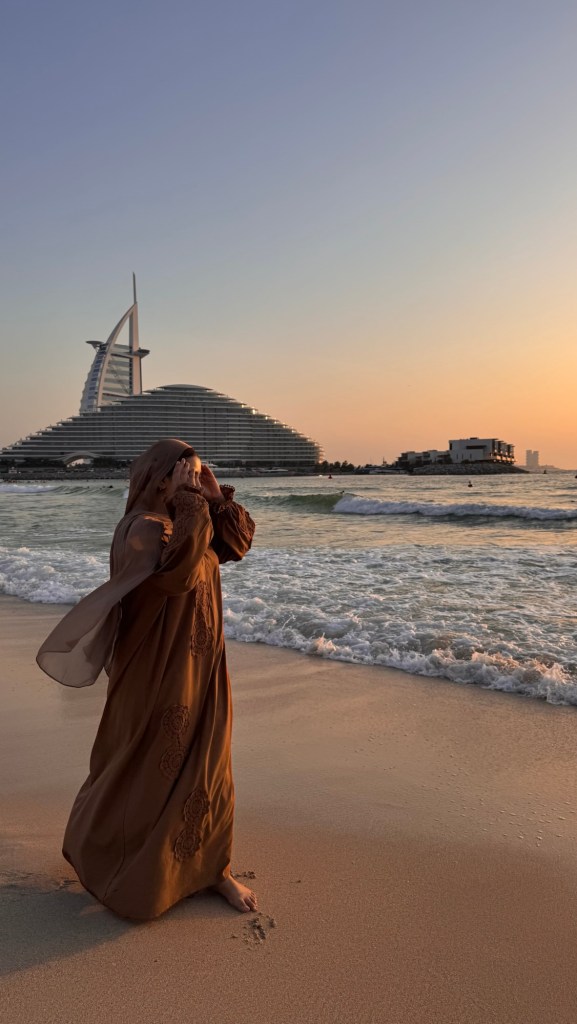
    I started my exploration at Jumeirah Beach, where the white sands meet the turquoise waters of the Arabian Gulf. The view of Burj Al Arab, the sail-shaped 7-star hotel rising from the sea, was surreal. Though I didn’t stay there (yet!), just being nearby made me feel like royalty.

    A visit to Jumeirah Mosque was a peaceful experience. It’s one of the few mosques in Dubai open to non-Muslim visitors. With its intricate white façade and friendly tour guides, I learned so much about Islamic culture and local Emirati traditions.

    Later, I walked around La Mer, a beachfront destination full of cafés, boutiques, art murals, and a youthful, creative vibe. Whether it was gelato by the sea or watching the sunset while lounging on a beanbag, Jumeirah gave me moments of calm luxury.

    3. Deira – The Heart of Old Dubai

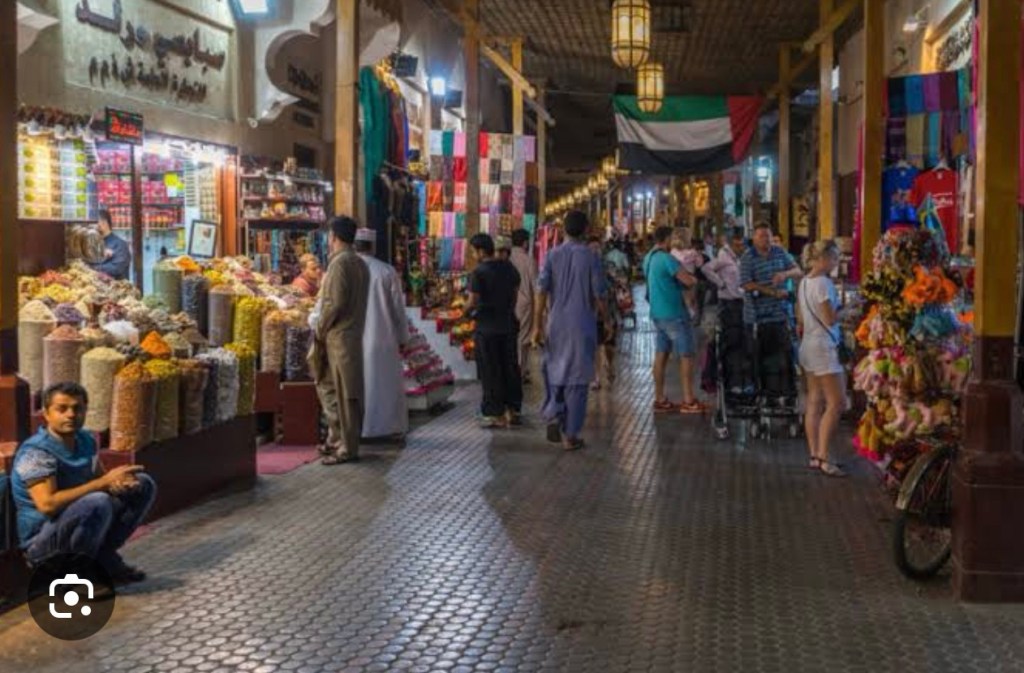
    From the modern, I transitioned into the historic with a visit to Deira, one of the oldest and most authentic parts of the city. Here, the scent of spices lingers in the air, and the streets tell stories of trade, tradition, and time.

    I wandered through the famous Deira Gold Souk, dazzled by the sheer amount of gold in every window. From delicate chains to massive bridal sets, it was a sparkling paradise. Not far from there is the Spice Souk, where I was drawn in by sacks of saffron, cinnamon, dried roses, and frankincense. The vendors were friendly, playful, and always ready to offer a cup of freshly brewed karak chai.

    To cross over to Bur Dubai, I took an abra ride across the Dubai Creek. Just for 1 dirham, I floated across the water on a traditional wooden boat, with the wind in my face and history all around me.

    Deira was raw, real, and deeply charming. It reminded me that beneath the glass towers and luxury cars, Dubai has roots that go centuries deep.

    4. Dubai Marina – Skyscrapers and Seaside Glamour

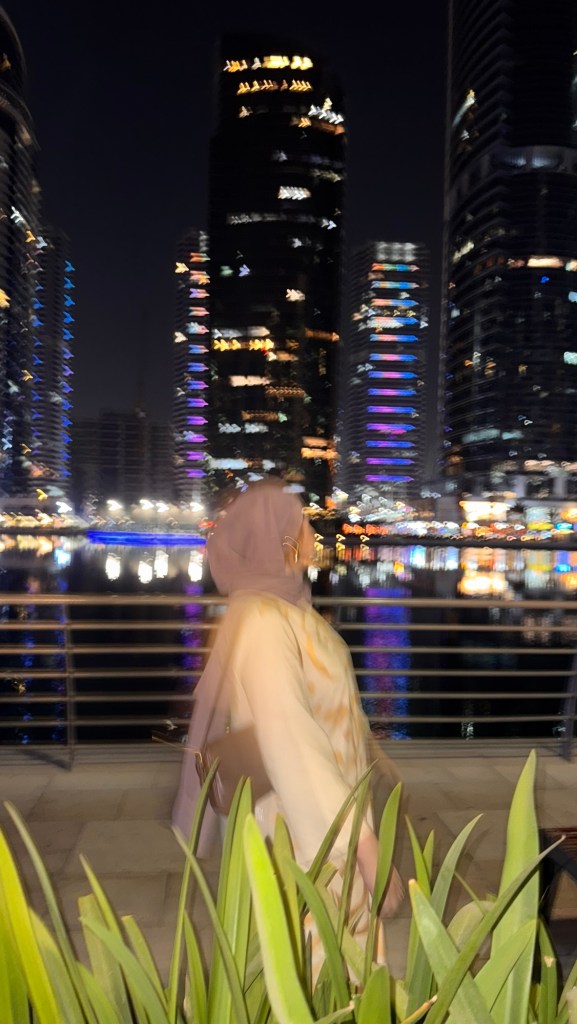
    Dubai Marina was like stepping into a postcard. High-rise towers curved around a man-made marina filled with luxury yachts, sleek cafes, and walking promenades. It’s a place where the city meets the sea in the most stylish way.

    I started my morning with breakfast by the water, watching joggers pass by and the sun glint off the boats. The skyline here is simply stunning — especially the twisting Cayan Tower and the sleek buildings that light up at night.

    I took a Dhow Cruise Dinner in the evening — a traditional boat transformed into a floating restaurant with Arabic music, delicious food, and magical views of the lit-up marina. Floating past the glittering towers while enjoying grilled meats and hummus felt like something out of a movie.

    Just a short walk away is JBR (Jumeirah Beach Residence) — a vibrant beach strip full of art installations, performers, and market-style kiosks. Dubai Marina is energy, elegance, and entertainment rolled into one.

    5. Al Seef – Old-World Charm on Dubai Creek

    For the final chapter of my Dubai journey, I visited Al Seef, a beautifully designed district that blends Dubai’s heritage with a modern twist. Located along the Dubai Creek, Al Seef is like an open-air museum of the past — but with coffee shops and boutique hotels!

    Walking through Al Seef feels like stepping into an Emirati village from a hundred years ago. The architecture features coral-colored walls, wooden beams, lanterns, and wind towers. But don’t be fooled — behind these traditional walls are air-conditioned cafes, luxury stores, and cultural sites exhibits.

    I visited the Museum of Illusions, got henna at a local stall, and watched dhows (traditional boats) float by on the creek as I sipped Arabic coffee. The best part? Sunset. The golden light reflecting on the old-style buildings and water created the most photogenic moment of my trip.

    Al Seef offered a slower, softer version of Dubai — poetic and nostalgic.

    NOT THE COMPLETED I VISITED THE CITIES OF DUBAI

    From Skyscrapers to Oases: My Journey Through 5 Beautiful Cities in the UAE

    The United Arab Emirates is often imagined as a land of luxury, deserts, and dazzling skyscrapers. But for me, it became much more than that — a place of contrasts, culture, and surprising serenity. My recent journey took me through five of the UAE’s most iconic cities: Dubai, Abu Dhabi, Sharjah, Al Ain, and Fujairah. Each one offered something uniquely beautiful, and together, they painted a rich picture of a country that balances heritage with modernity. This is a recount of my 5-city adventure across the UAE.

    1. Dubai – The City of Innovation and Luxury

    I began my journey in Dubai — the glittering metropolis that needs no introduction. As soon as I landed, the city welcomed me with energy and ambition. Dubai isn’t just a place; it’s an experience.

    The towering Burj Khalifa greeted me on my first morning. Watching the sun rise from the observation deck was magical. Below, the city’s grid of highways, skyscrapers, and beaches unfolded like a masterpiece. I spent hours wandering around The Dubai Mall, marveling at the luxury boutiques, dancing fountains, and the mesmerizing Dubai Aquarium.

    But what I loved most about Dubai was how it honors its roots. In Old Dubai, I explored the Al Fahidi Historical District — narrow lanes, sand-colored buildings, and wind towers that stood silently amidst the bustle. I took an abra ride across Dubai Creek, browsed the Gold Souk, and haggled (very unsuccessfully!) for spices at the Spice Souk.

    Dubai is a city of firsts, of ambition, and of contrasts — where the old and the futuristic coexist with style and grace.

    2. Abu Dhabi – Graceful, Grand, and Grounded

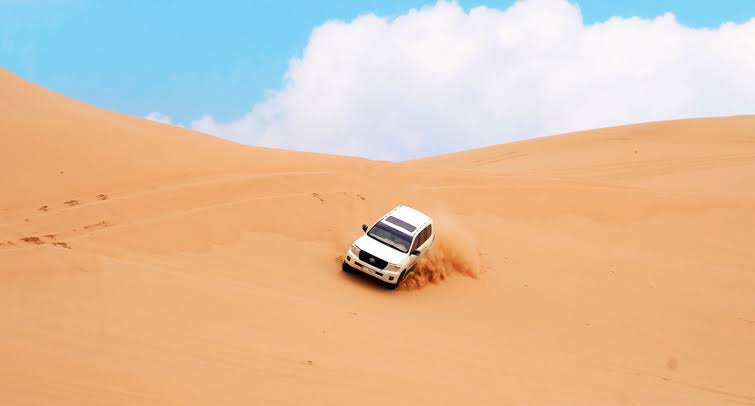
    From Dubai, I traveled to Abu Dhabi, the capital of the UAE and a city that carries itself with quiet elegance. The road trip itself was peaceful — desert dunes rolling beside the highway as I left the buzz of Dubai behind.

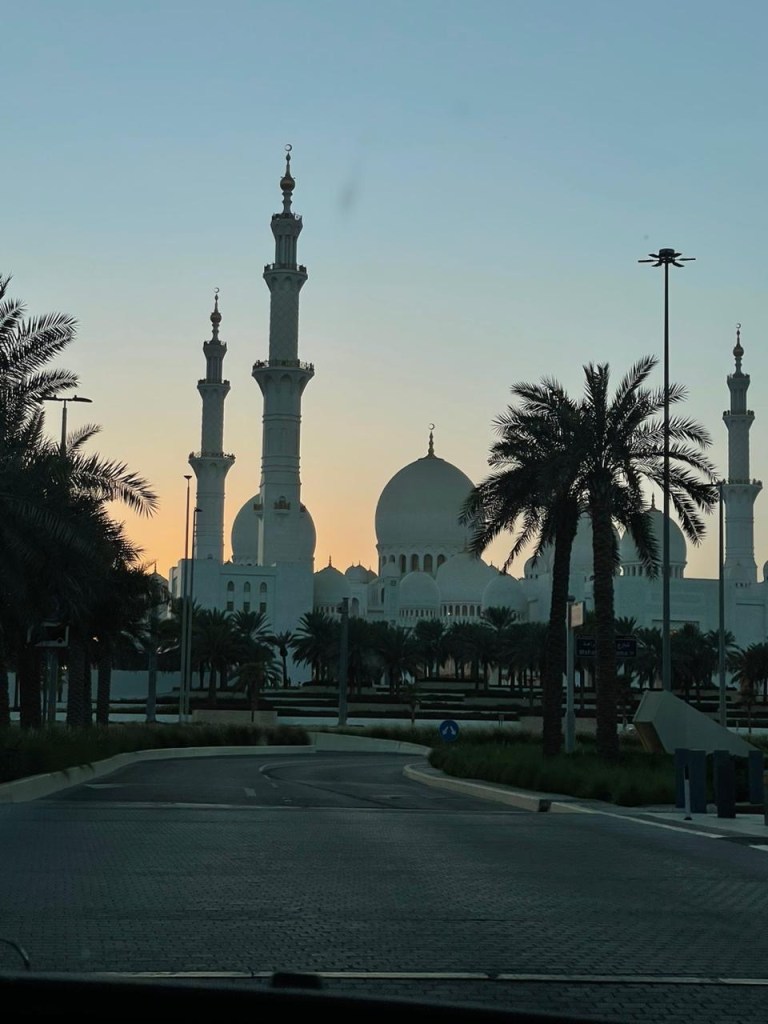
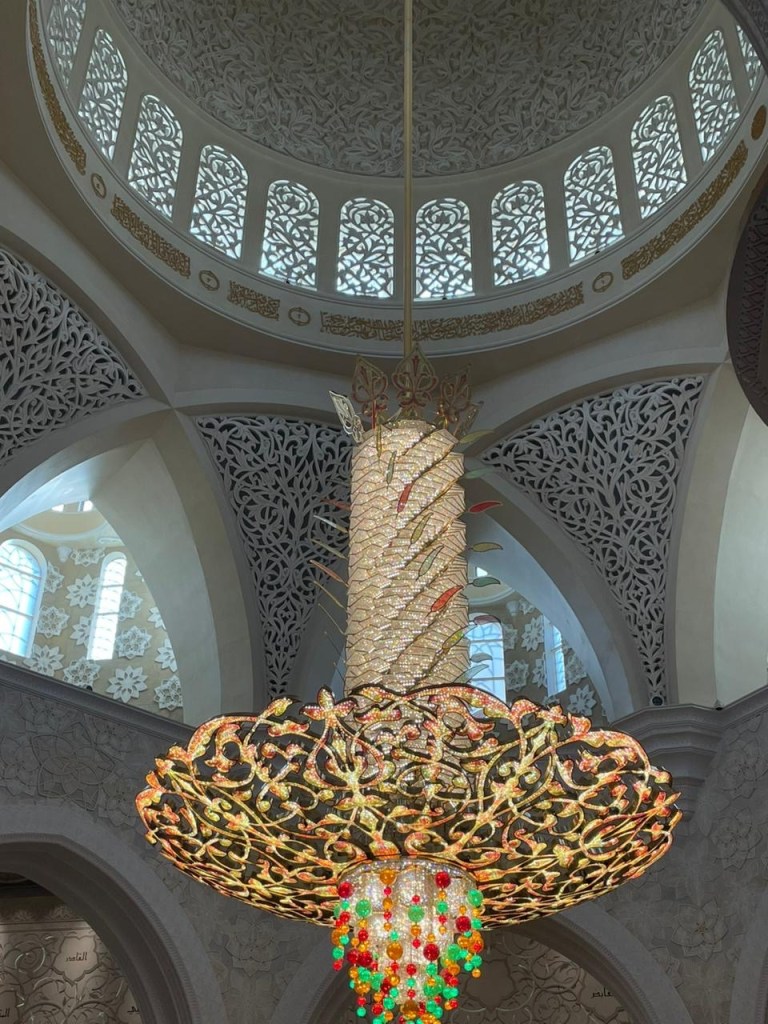
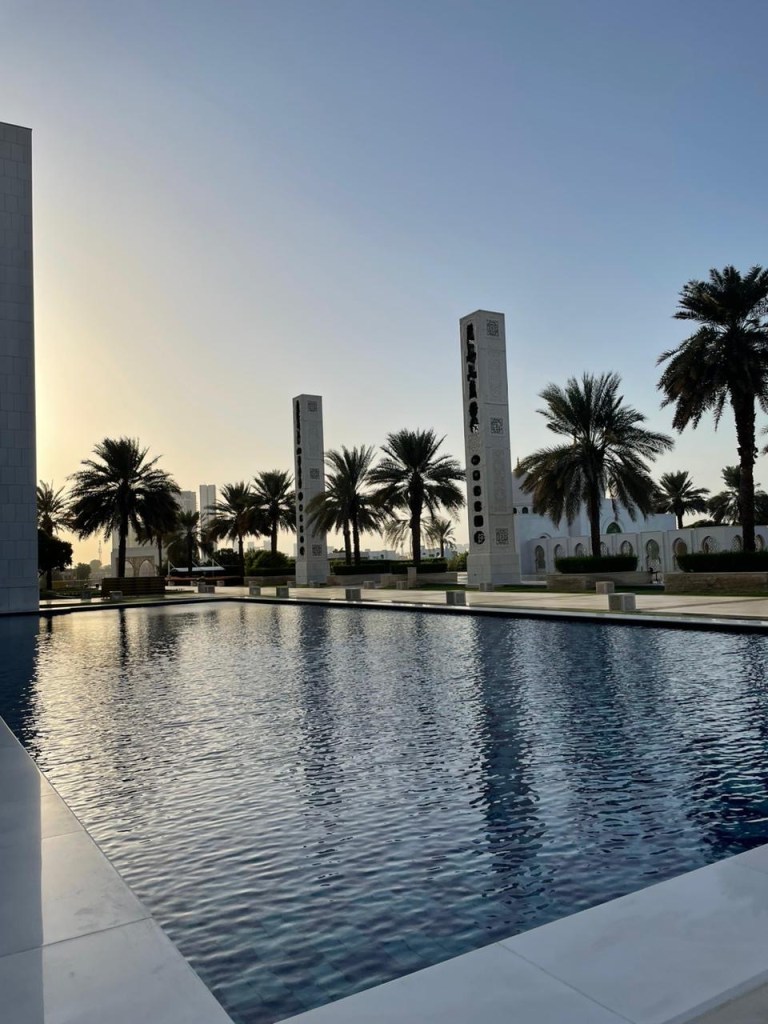
    The first thing that took my breath away in Abu Dhabi was the Sheikh Zayed Grand Mosque. No photograph can prepare you for its grandeur. With its pure white domes, reflective pools, and intricate floral marble work, the mosque was a powerful symbol of unity and faith. Walking barefoot on its cool floors, I felt a sense of peace I hadn’t felt in a long time.

    My next stop was the Louvre Abu Dhabi, a modern architectural gem that brought together global art under a beautifully designed dome. From ancient sculptures to contemporary installations, the museum left me inspired.

    In the evening, I took a relaxing stroll along the Corniche, enjoying the seaside breeze and watching families picnic under palm trees. Abu Dhabi gave me the chance to slow down, reflect, and reconnect — a quiet contrast to Dubai’s high-octane energy.

    3. Sharjah – A Cultural Retreat

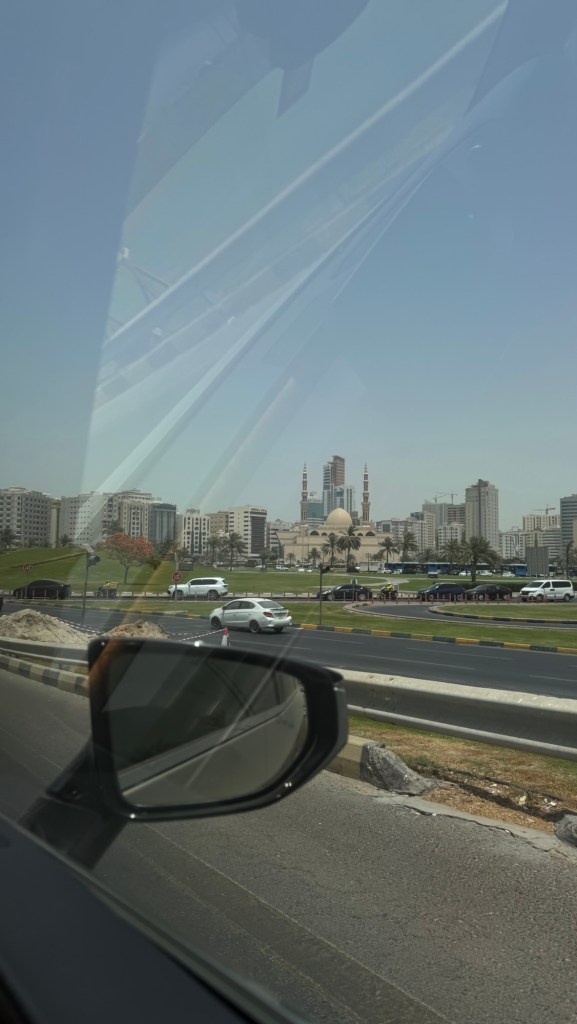
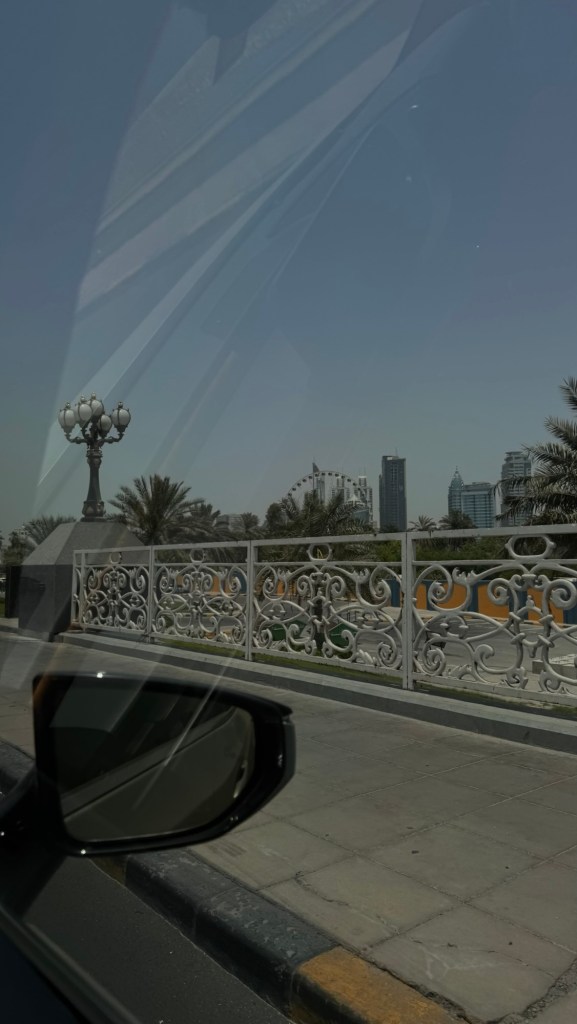
    Next, I made my way to Sharjah, a city often called the cultural capital of the UAE — and it didn’t take me long to understand why. Compared to Dubai and Abu Dhabi, Sharjah feels more traditional, more rooted in its past.

    My first visit was to the Sharjah Museum of Islamic Civilization. It was a treasure trove of Islamic art, manuscripts, and scientific achievements. I spent hours admiring ancient calligraphy, astronomy instruments, and timeless pieces that spoke of a proud legacy.

    The Heart of Sharjah project — a beautifully restored old town — felt like stepping back in time. I walked through Souq Al Arsah, possibly the oldest marketplace in the UAE, and sipped on mint tea as I browsed handcrafted jewelry and lanterns.

    Sharjah showed me that culture isn’t always loud. Sometimes, it’s found in quiet museums, traditional markets, and stories whispered through architecture.

    4. Al Ain – An Oasis in the Desert

    From the cultural lanes of Sharjah, I journeyed inland to Al Ain, a lush green city surrounded by deserts and mountains. Known as the “Garden City” of the UAE, Al Ain was refreshing — quite literally.

    I started with the Al Ain Oasis, a UNESCO World Heritage site featuring over 100,000 date palms. Walking along shaded pathways, guided by the gentle sounds of the falaj irrigation channels, was calming and rejuvenating. It felt like a living miracle in the middle of the desert.

    I visited the Al Ain Palace Museum, once home to Sheikh Zayed, the founding father of the UAE. The museum offered a fascinating glimpse into traditional Emirati life, with courtyards, reception halls, and family rooms preserved with care.

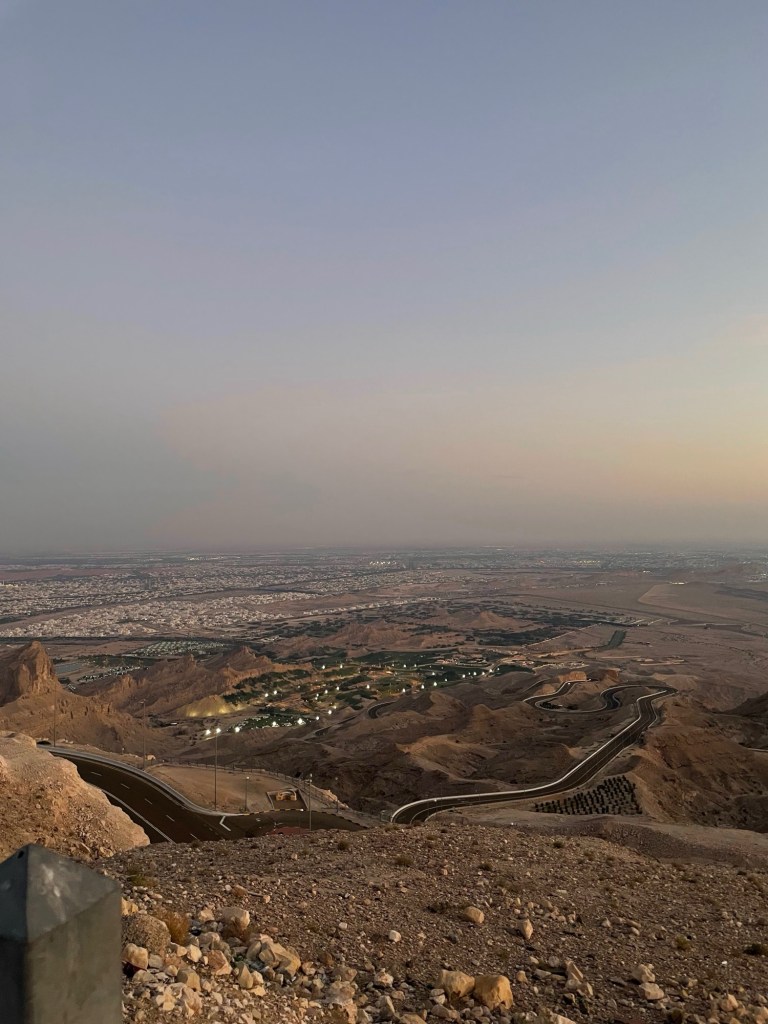
    But the highlight was driving up Jebel Hafeet, the UAE’s second-highest mountain. The road to the top curved beautifully along the ridges, and from the summit, I watched the golden desert stretch endlessly under a glowing sunset. Al Ain touched my heart with its simplicity, its greenery, and its connection to nature.

    5. Fujairah – Coastal Calm and Mountain Majesty

    My final stop was Fujairah, located on the eastern coast of the UAE, facing the Gulf of Oman. Unlike the other cities I visited, Fujairah felt more relaxed, less crowded, and incredibly scenic.

    (more…)
  • Welcome to WordPress! This is your first post. Edit or delete it to take the first step in your blogging journey.

Design a site like this with WordPress.com
Get started